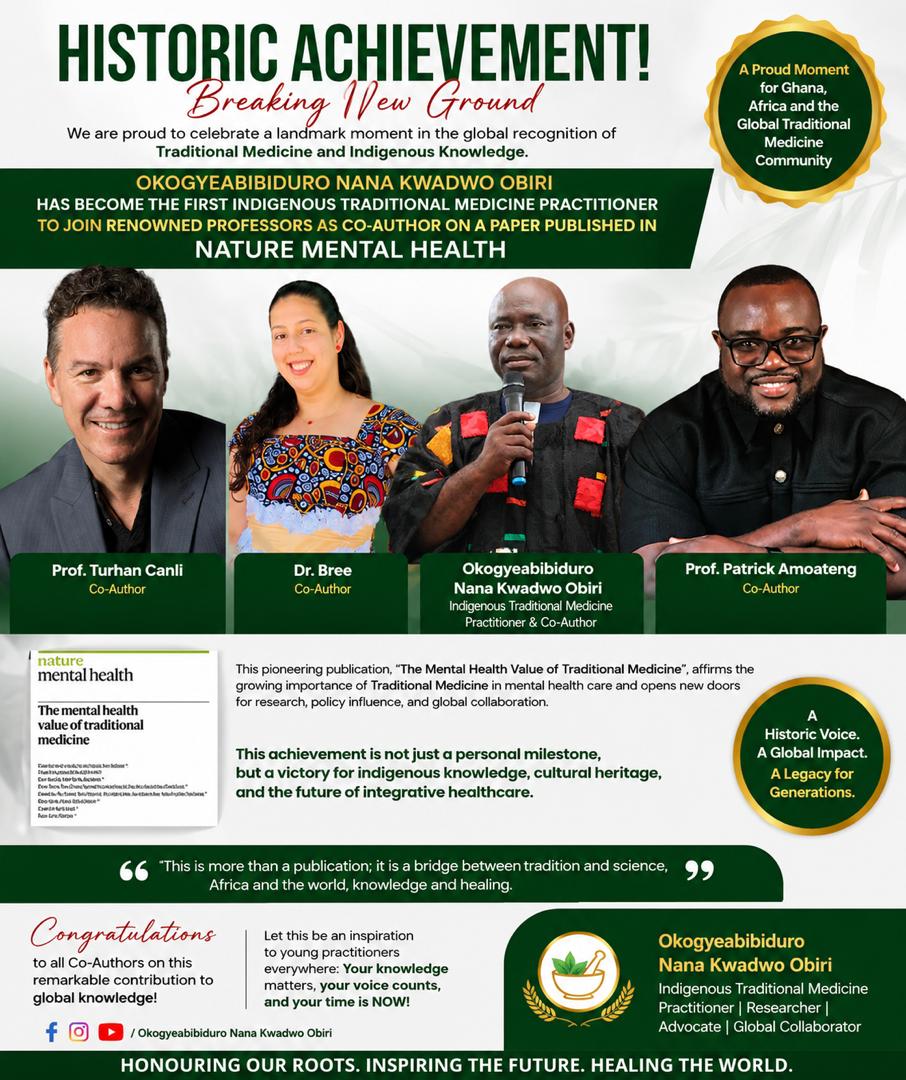
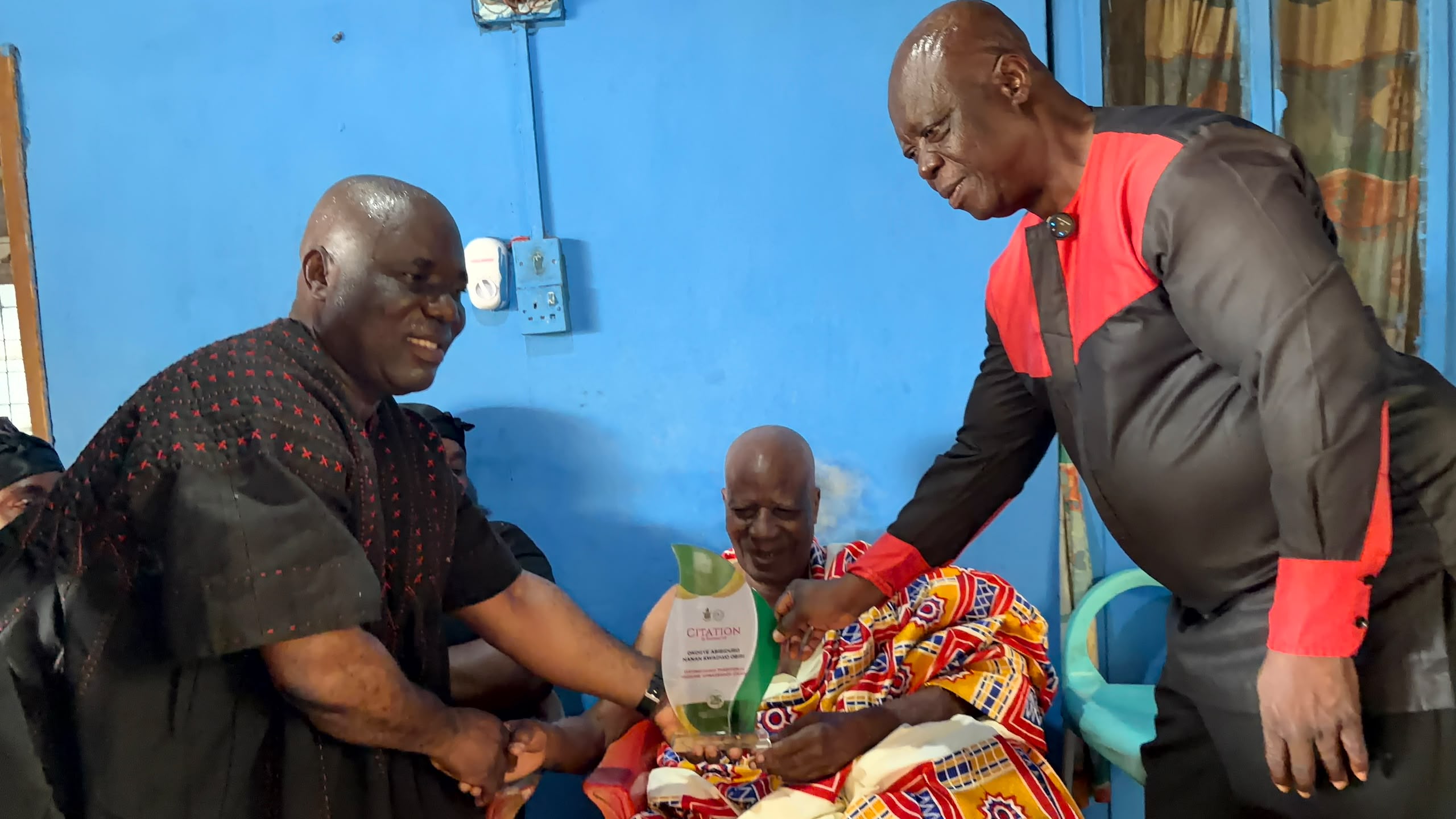
For centuries, traditional herbal medicine has played a vital role in healthcare systems around the world. Long before the development of modern pharmaceuticals, communities relied on medicinal plants and natural remedies to treat illnesses and maintain well-being. Today, healthcare professionals and researchers are increasingly recognizing that traditional herbal medicine can complement modern medicine and contribute to better health outcomes when used responsibly.
A Valuable Source of Medical Discovery
Many modern medicines have their origins in plants that were first used in traditional healing practices. Researchers often study herbs used by indigenous communities to identify active compounds that may be developed into pharmaceutical drugs.
Traditional medicine provides valuable insights into the medicinal properties of plants, helping scientists discover new treatments for diseases and health conditions. This collaboration between traditional knowledge and scientific research continues to contribute to medical innovation worldwide.
Promoting Preventive Healthcare
One of the strengths of traditional herbal medicine is its emphasis on prevention and overall wellness. Many herbal remedies are traditionally used to support immune function, improve digestion, promote relaxation, and maintain general health.
By encouraging healthy lifestyles and preventive care, traditional medicine can help reduce the burden of certain illnesses and support long-term well-being. This preventive approach aligns with modern healthcare's growing focus on health promotion and disease prevention.
Enhancing Patient-Centered Care
Traditional medicine often considers the physical, emotional, and social aspects of health. This holistic approach can complement modern medical practices by addressing factors that influence a person's overall quality of life.
When healthcare providers understand and respect patients' cultural beliefs and traditional healing practices, communication improves and patients may become more engaged in their healthcare decisions.
Expanding Healthcare Access
In many rural and underserved communities, traditional medicine remains one of the most accessible forms of healthcare. Herbal practitioners often serve populations with limited access to hospitals, clinics, or specialized medical services.
By integrating safe and evidence-based traditional medicine into healthcare systems, governments and health organizations can help expand healthcare coverage and improve access to essential health services.
Supporting Research and Innovation
Modern scientific methods are increasingly being used to evaluate the safety, quality, and effectiveness of herbal remedies. Clinical studies and laboratory research are helping to validate traditional treatments and identify their potential role in modern healthcare.
This growing body of research encourages collaboration between traditional healers, scientists, medical professionals, and policymakers, creating opportunities for innovation and improved patient care.
The Importance of Responsible Use
While traditional herbal medicine offers many potential benefits, it should be used responsibly. Not all herbal products are scientifically tested, and some may interact with prescription medications or be unsuitable for certain individuals.
Patients should always seek guidance from qualified healthcare professionals and inform their doctors about any herbal remedies they are using. Proper regulation, quality control, and ongoing research are essential to ensuring the safe use of herbal medicine.
Looking to the Future
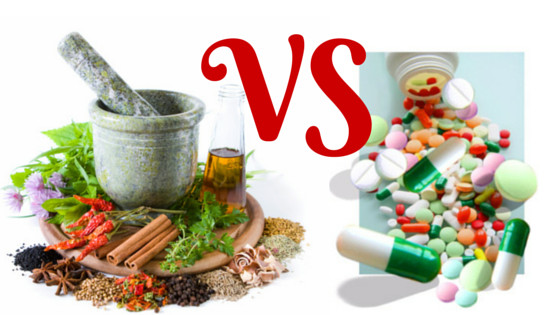
The future of healthcare may lie in a balanced approach that combines the strengths of traditional herbal medicine with the advances of modern medical science. By respecting indigenous knowledge, investing in research, and promoting safe practices, healthcare systems can benefit from the best of both worlds.
Traditional herbal medicine is not a replacement for modern medicine, but it can serve as a valuable partner in promoting health, preventing disease, and improving the quality of life for people around the world.

 news
news