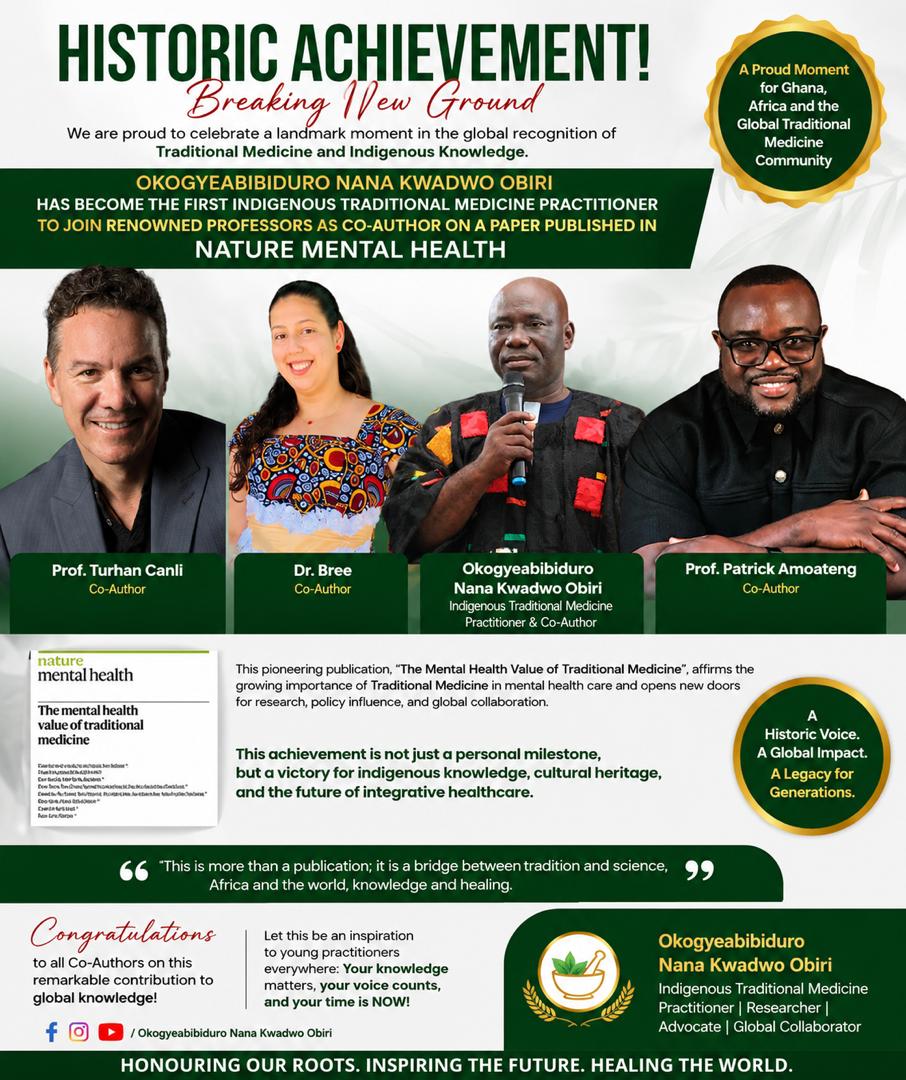
Traditional medicine remains an essential part of healthcare systems in many countries, particularly across Africa, Asia, and Latin America. As communities continue to rely on herbal remedies and indigenous healing practices, governments, researchers, and healthcare professionals are increasingly recognizing the importance of integrating traditional medicine into modern healthcare frameworks.
Growing Demand for Herbal Remedies
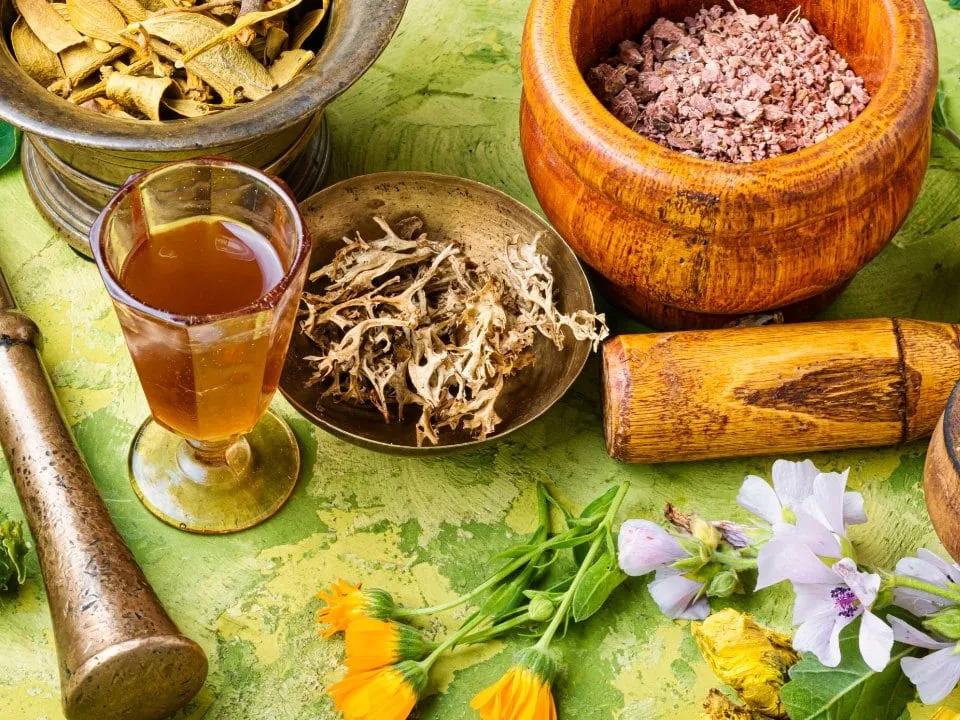
Recent studies indicate a growing interest in herbal medicine as people seek natural alternatives for managing common health conditions. Medicinal plants such as ginger, neem, moringa, turmeric, and aloe vera continue to be widely used for their perceived therapeutic benefits. The global herbal medicine market has experienced significant growth, driven by increased awareness of natural health products and preventive healthcare.
Government Support and Regulation
Many governments are introducing policies to regulate traditional medicine practices and ensure the safety of herbal products. Regulatory agencies are working to establish quality standards, licensing requirements, and scientific evaluation processes to protect consumers from counterfeit or unsafe remedies.
In several African countries, traditional medicine practitioners are collaborating with healthcare authorities to promote safe practices and improve patient outcomes. These efforts aim to preserve cultural heritage while ensuring public health standards are maintained.
Scientific Research Strengthens Credibility
Researchers worldwide are conducting studies to validate the effectiveness of traditional medicinal plants. Universities and research institutions are investigating the active compounds found in herbs and exploring their potential applications in treating various diseases.
Several modern pharmaceutical drugs have originated from natural plant sources, demonstrating the value of traditional knowledge in medical discovery. Continued investment in research is helping bridge the gap between traditional healing practices and evidence-based medicine.
Challenges Facing Traditional Medicine
Despite its growing popularity, traditional medicine faces several challenges, including:
Lack of standardized dosage guidelines.
Limited scientific evidence for some remedies.
Counterfeit and adulterated herbal products.
Environmental threats to medicinal plant species.
Need for improved practitioner training and certification.
Addressing these challenges will be essential to ensuring the safe and sustainable use of traditional medicine.
Looking Ahead
The future of traditional medicine appears promising as healthcare systems seek more holistic and culturally relevant approaches to patient care. Through research, regulation, and collaboration between traditional healers and medical professionals, traditional medicine can continue to play a valuable role in promoting health and well-being.
As awareness grows, experts emphasize the importance of using herbal remedies responsibly and consulting qualified healthcare professionals before beginning any treatment program.

 news
news